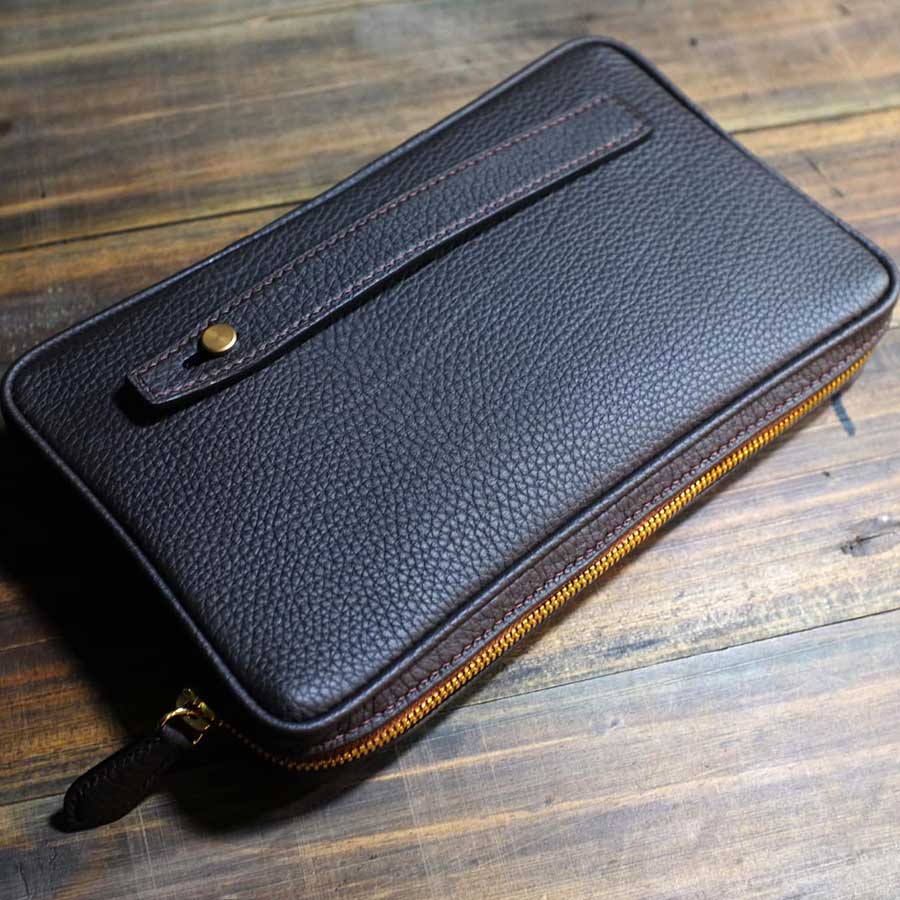
Togo leather
Togo leather
Togo leather is made from the hide of a baby calf or calfskin, so it is slightly lighter and holds shape much easier. Togo leather was introduced by Hermès in 1997.
TOGO LEATHER
Grain Type: Full Grain
Grain (Top): Smooth
Grain Flesh (Back Side): Buffed and smooth
Temper (Stiffness): Medium – (Slightly firm and less rigid. Moderately pliable.)
Finish: 100% Aniline
Dye: Struct Through – (Color is dyed fully through the leather from top to bottom)
What is togo leather?
Togo leather is made from the hide of a baby calf or calfskin, so it is slightly lighter and holds shape much easier. Togo leather was introduced by Hermès in 1997. Togo is the perfect leather when you’re looking for a leather that’s easy to maintain.
Its exterior is characterized by a soft pebbled finish that feels smooth yet very grainy and veiny. This veining can be more or less profound depending on the particular batch of Togo from which the leather is made.
It is by far one of the most popular leather used for Birkins because of its characteristics of being generally lightweight and how it holds an original shape so well. When looked at from a distance, Togo leather appears to have vertical veins and reflects light.
Source: favoredleather.com
Togo Leather Characteristics
Togo leather is extremely popular for the simple reason that it is completely scratch-resistant and can be remade once cracks begin to appear. Made from calfskin (veau leather), Togo leather is beautiful and grainy but has a smooth texture that glides smoothly on your fingertips. Many women like its pronounced graininess, however, some find it heavy.
Advantages of Togo leather
- Fully scratch resistant.
- Easy to clean and can be refreshed very quickly.
- Has a clear grainy surface but is very smooth.
- Finer grain than Clemence leather.
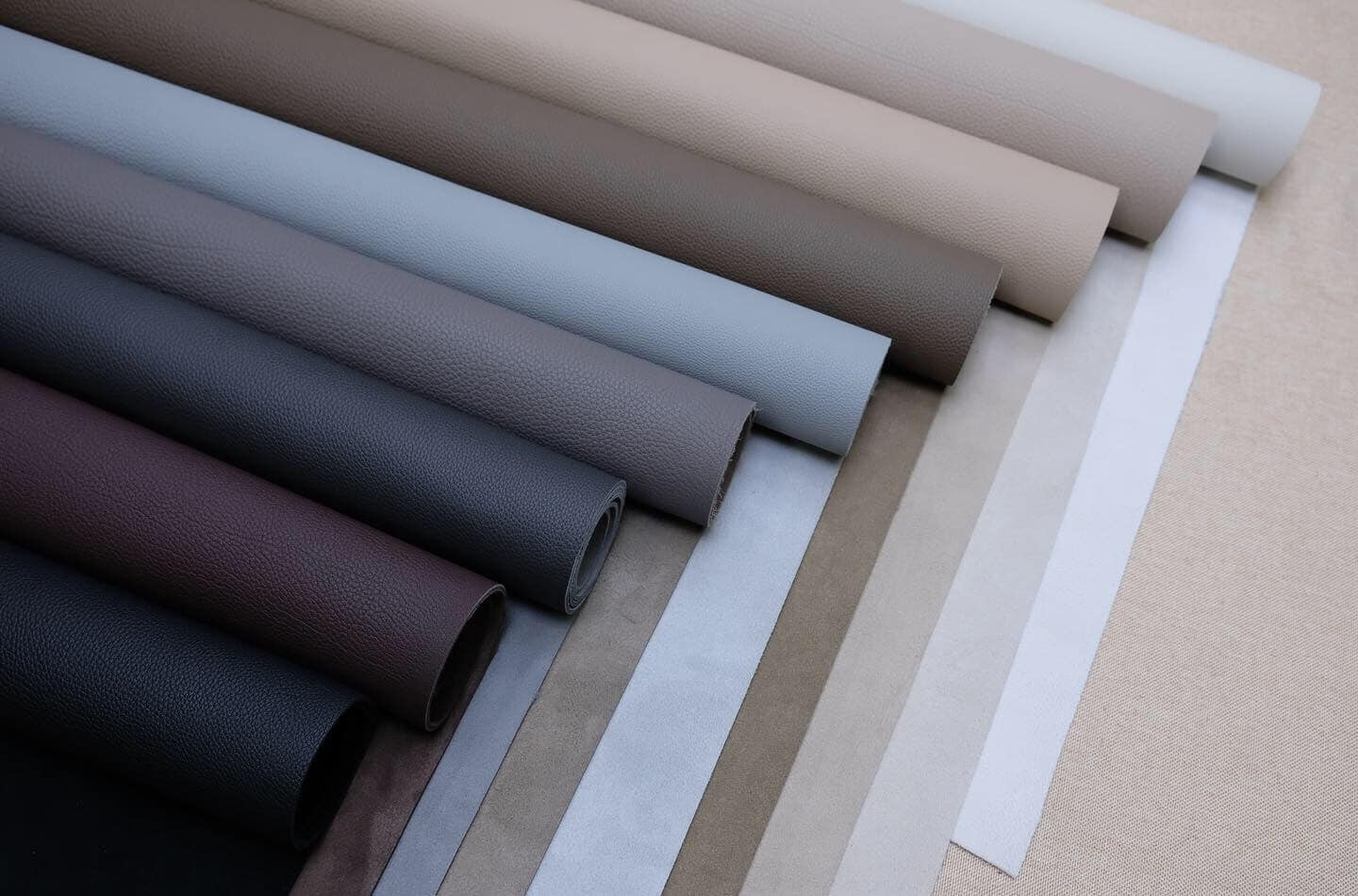
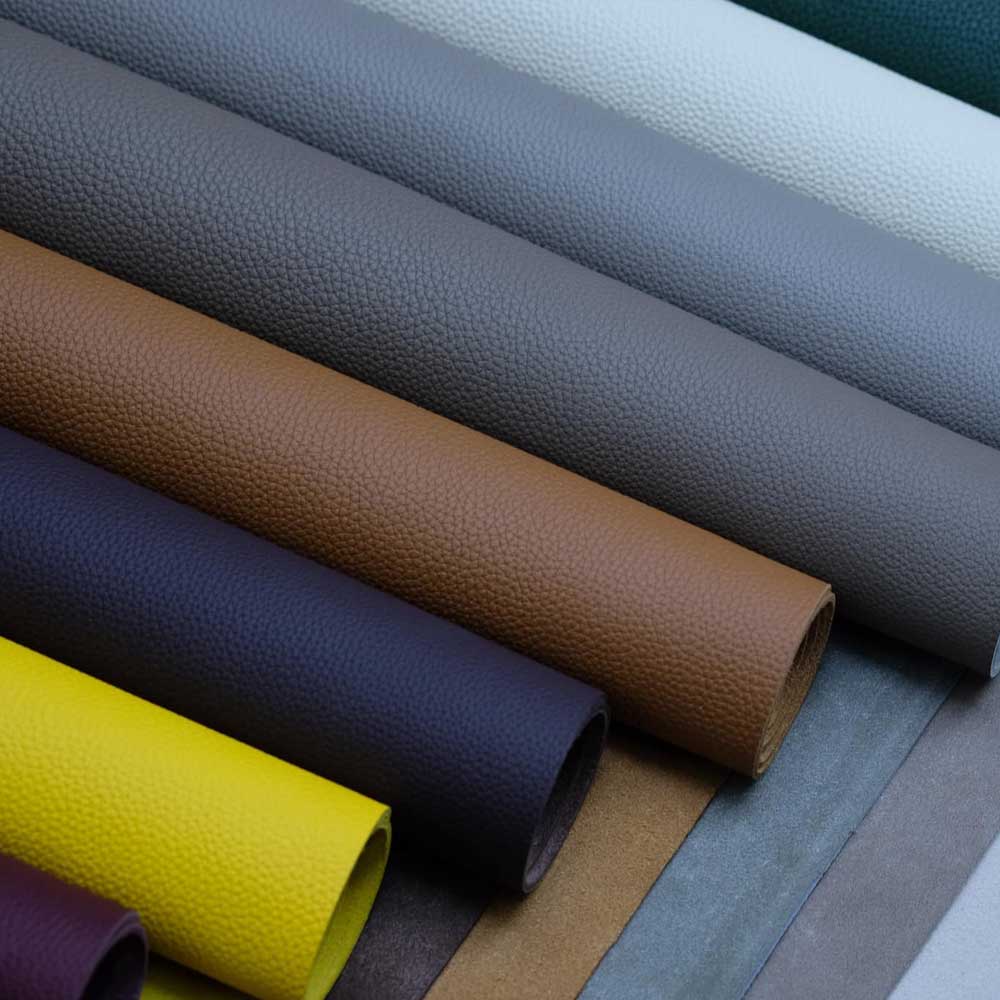
Togo Leather Color Swatches

Please note note all colour available so please check with us if you would like a non-classic colour


HOW TO CARE FOR YOUR TOGO LEATHER?
The safest way to care for your Togo leather is using a dry microfiber cloth to gently wipe the bag's outside and inside. For more persistent dirt, you can try a commercial yet mild leather cleanser at your own risk.
DESIGN IDEAS FOR BUTTERO LEATHER